The Profession
The Profession
Every day, we use information geoscientists provide and don’t even realise it. When we use our mobile devices, ride a bicycle, get a glass of water, drive across a bridge or through a tunnel, turn on a light or look into a mirror, a geoscientist had something to do with it.
Geoscientists help society meet its demands for natural resources- all kind of minerals, sources of energy, even fresh water and fertile soil. They help protect the public from natural hazards, such as floods, earthquakes and landslides. At the same time geoscientists safeguard our natural environment.
Learn more about the role of geoscience in the 21st Century and the critical societal needs served by geoscientists in this great report from the American Geosciences Institute here.
What Professional Geoscientists Do
Every day we all use information and resources Professional Geoscientists provide. Computers and mobile devices, a bicycle, a glass of water, a bridge or a tunnel, a light, or a mirror, and so much more – a Professional Geoscientist has played a critical role in their delivery. Professional Geoscientists apply earth science principles for the protection of the public and environment.
Professional Geoscientists help society meet its needs for natural resources sustainably; resources such as minerals, energy sources, fresh water, and fertile soil. They help protect the public from natural hazards, such as floods, earthquakes, and landslides, as well as safeguarding our natural environment.
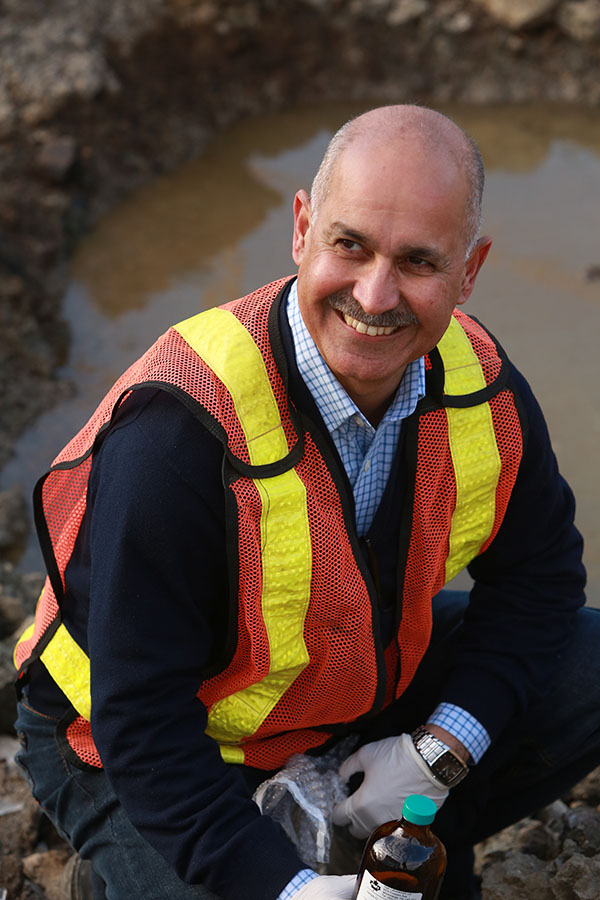
Professional geoscientists (P.Geo.s) study our planet. There are many types of work Professional Geoscientists undertake. For instance, P.Geo.’s may predict the behaviour and consequences of earthquakes, search for new sources of municipal groundwater, or locate the critical minerals needed for sustainable energy sources.
Careers in Geoscience
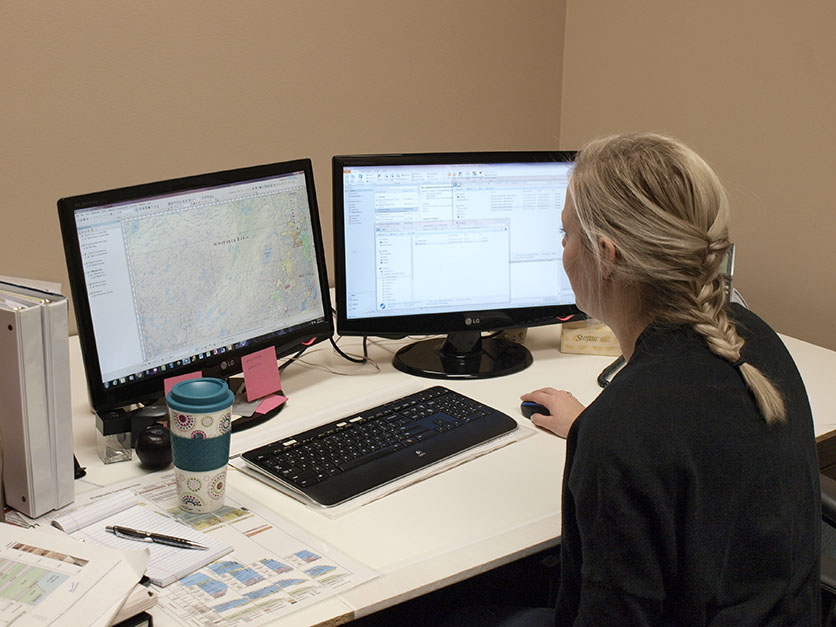
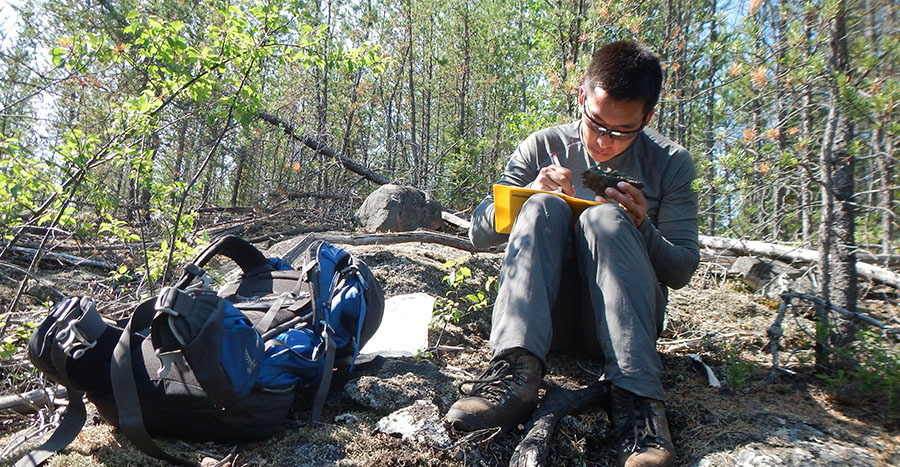
Professional Geoscience offers a rewarding, wide-ranging career. It offers the opportunity to work outdoors, in a lab, or at a desk. In most cases the work of a typical Professional Geoscientist involves work in all of these settings.
P.Geo.s are employed in a wide range of settings by various types of employers or clients. For example, they work:
- as self-employed independent consultants or employees of consulting firms
- in corporations in the extractive resources sectors: minerals, energy, development and production, earth materials, water, and geothermal
- for utilities and other essential service providers
- as scientists in geological surveys, government departments, First Nations and other public bodies and agencies
- at universities - training geoscientists and undertaking and supervising scientific research
- in specialised geoscientific research establishments
- as scientific advisors and as analysts at banks, investments firms, and securities traders
- as technical writers and editors
- as columnists, commentators, and advisors for the press and other media
While Professional Geoscientists work as individual scientists, each is responsible for the work they undertake and the people they supervise, and most also contribute as vital members of larger collaborative teams.
Professional Geoscience work involves the analysis of different Earth systems and geoscientific situations in their natural setting, so many P.Geo.s collect data on-site and make direct field observations. Many P.Geo.s travel extensively – locally , regionally, nationally, or globally.
Professional Geoscientists are generally well paid for the work they do. Demand for P.Geo.s can sometimes be cyclical. In poor economic times employment opportunities can become constrained, particularly in the resources sectors.
The Professional Geoscientist community in Canada is large with over 15,000 registrations across Canada. The main employers of Professional Geoscientists in Canada are:
- Mineral exploration, mining, and Earth materials companies
- Energy supply companies
- Consulting firms
- Provincial and territorial government agencies
- Universities and research establishments
To continue to meet its needs as a country, Canada requires Professional Geoscientists. Canada needs:
- domestically-trained Professional Geoscientists
- experienced geoscientists eligible for licensure and willing to emigrate to put their skills to work in Canada, and
- students attending Canada's high schools to consider Professional Geoscience as their exciting future career.
Related Organizations
- Association for Mineral Exploration British Columbia
- Atlantic Geoscience Society
- Canadian Federation of Earth Sciences
- Canadian Geotechnical Society
- Canadian Institute of Mining Metallurgy and Petroleum
- Canadian National Chapter of the International Association of Hydrogeologists
- Canadian Quaternary Association
- Canadian Society of Exploration Geophysicsts
- Canadian Energy Geoscience Association
- Canadian Well Logging Society
- Committee of Provincial and Territorial Geologists
- Council of Chairs of Canadian Earth Science Departments
- Earth Science for Society
- Geological Association of Canada
- Mineralogical Association of Canada
- Prospectors and Developers Association of Canada