Practice in Canada
In Canada, practising geoscience is both a profession and a public trust. Professional Geoscientists (P.Geo.s) play a vital role in protecting the public and the natural environment by applying scientific rigour, ethical responsibility, and sound judgement to real-world challenges. To establish and maintain these high standards, geoscience is regulated profession.
Why Regulation Matters
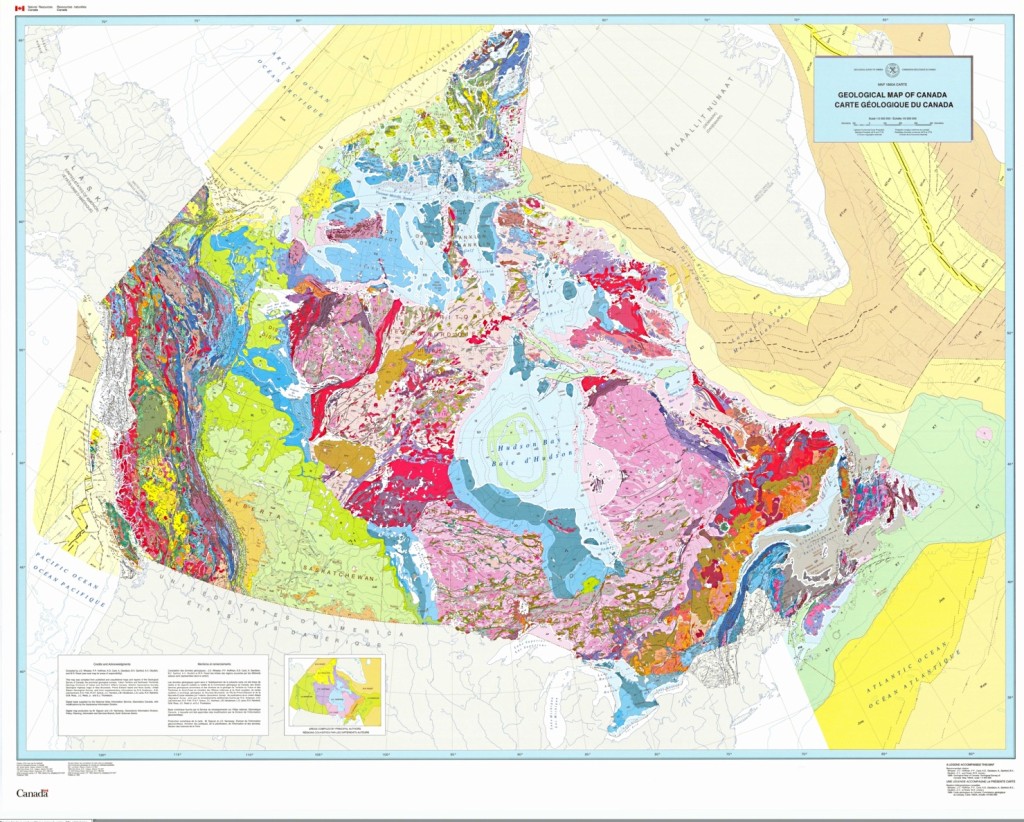
Canada’s geographic diversity, abundant natural resources, and varied environmental conditions present significant geoscientific challenges — from managing water and mineral resources to assessing hazards like landslides and earthquakes. Professional regulation establishes consistent standards of competence, ethics, and accountability that geoscientists applying their expertise in these areas meet, helping to protect communities, ecosystems, and investor confidence.
What It Means to Be a Practising P.Geo.
Becoming a Professional Geoscientist (P.Geo.) means you are licensed by a provincial or territorial regulatory body to practise geoscience in that jurisdiction. A P.Geo. must adhere to a code of ethics, be accountable for their work, and only undertake work within their area of competence. Registration entitles you to use the designation professional geoscientist (P.Geo.) and practise independently where permitted by law.
If your work extends into more than one province or territory, you may need multiple licences — one from each regulator where you practise.
Business License
In all provinces and territories, except Quebec, it is necessary for a business undertaking geoscience work to also register and obtain a licence to practice, although the type of company required to register varies from regulator to regulator. The business licence issued by the regulatory body is called either a Certificate of Authorization or a Permit to Practice.
In the same way that the P.Geo.s must act at all times in the public interest, must adhere to a code of ethics, and are individually accountable for their work, the business that is the holder of the corporate licence similarly must adhere to the Code of Ethics, is accountable, and may be subject to complaint and discipline proceedings.
For further information on business licences, visit the regulator website for the province or territory in which work will be undertaken.
Scope and Impact of Professional Geoscience Practice
Professional Geoscientists work in many settings, including:
- Environmental consulting and assessment
- Water resource management
- Mineral and energy resource exploration and development
- Geological hazard evaluation and mitigation
- Government research, policy, and public service
- Academia and scientific research institutions
- Technical and financial advisory roles
The profession’s reach extends beyond Canada’s borders, with Canadian-trained Professional Geoscientists contributing to projects and standards internationally.
Complaints, Discipline, and Professional Accountability
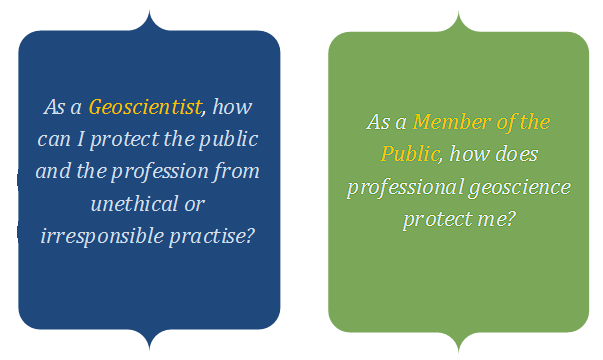
All P.Geo.s are subject to their regulator’s Code of Ethics and professional standards. Members of the public, employers, other professionals, or the regulator itself can file complaints if they believe a P.Geo.’s conduct or work does not meet these standards. Complaints about unprofessional conduct or incompetence may be made by contacting the regulatory body where the P.Geo. is registered. Regulatory bodies investigate complaints and can take disciplinary action if necessary. This framework reinforces accountability and public trust in geoscience practice.
Continuing Professional Development (CPD)
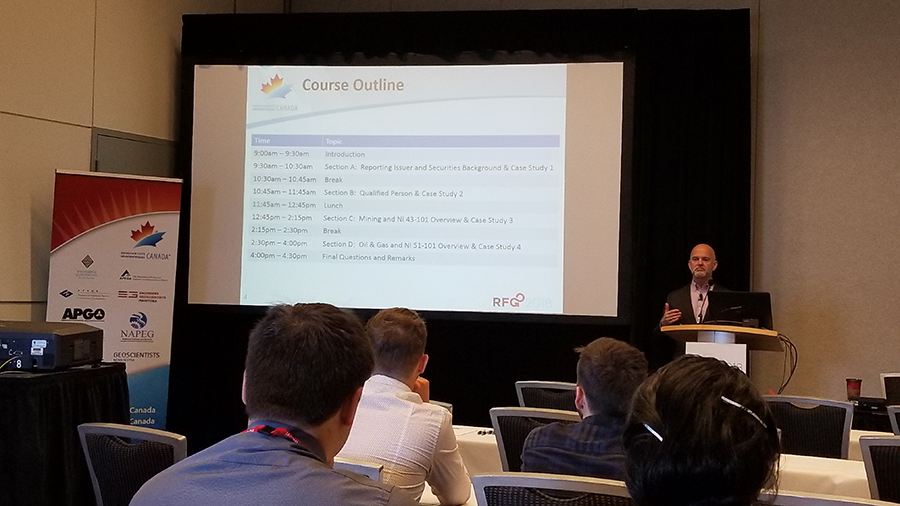
Professional growth and lifelong learning are core to maintaining competence in an ever-evolving discipline. Regulators require P.Geo.s to engage in continuing professional development (CPD) activities — such as workshops, conferences, seminars, and technical courses — to ensure their skills and knowledge remain current.
Mobility Across Canada and Beyond
Geoscience is a profession with both national and global reach. As a result of Canada’s Agreement on Internal Trade that supports labour mobility, transferring your P.Geo. licence from one province or territory to another is generally a smooth and efficient process. Geoscientists Canada also has co-operation agreements in place with professional geoscience organizations around the world, and our network continues to grow. These agreements are designed to facilitate communication and collaboration on matters relevant to the geoscience profession.